Research into global connections, which formed the basis for the spread of objects, ideas, innovations, religions and empires, continues to fundamentally shape our understanding of the development of contemporary society. While the historiography of global connections is dominated by a European perspective, new research into overlooked vantage points combined with innovative methodological and theoretical approaches provide important opportunities to challenge and enrich perspectives of global history.
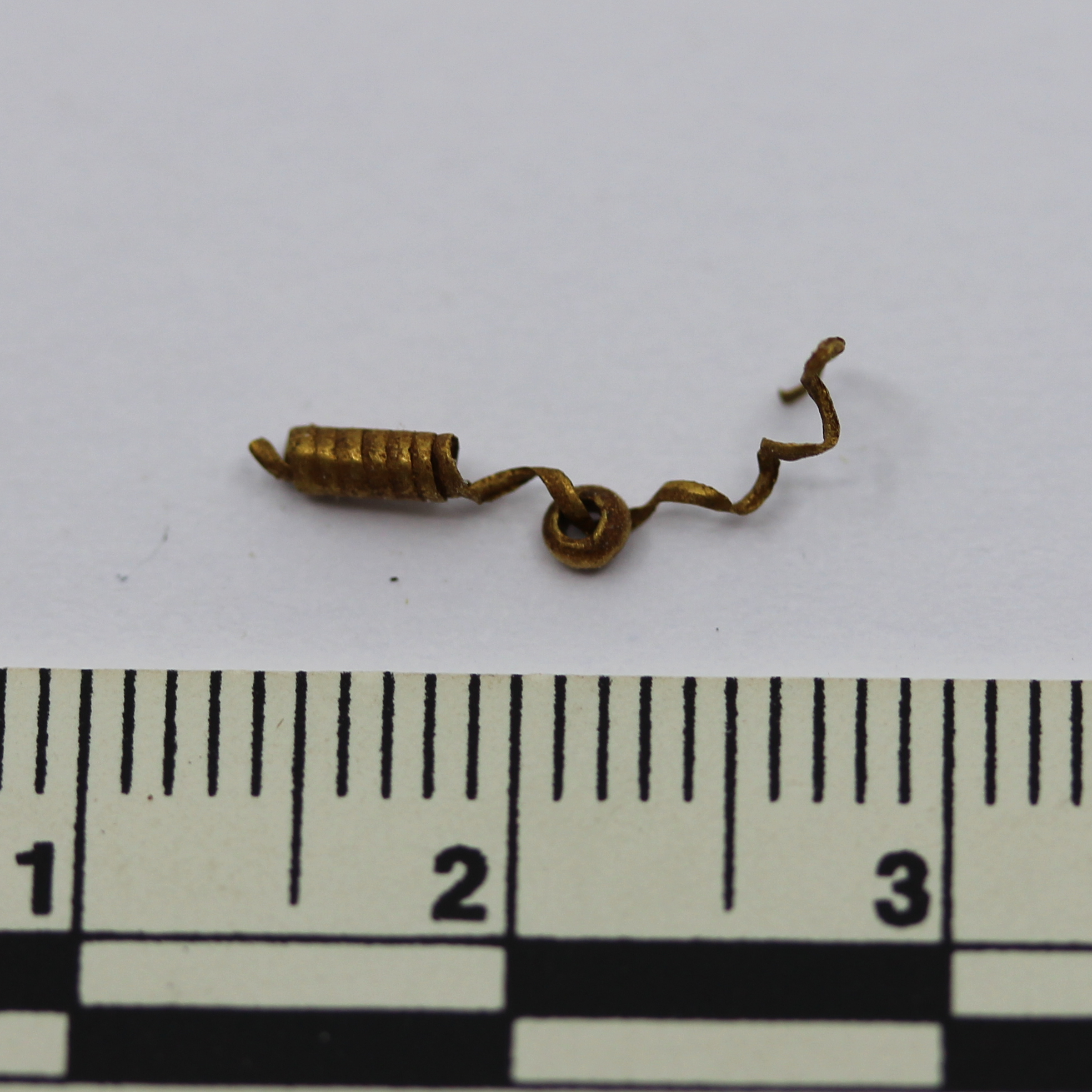
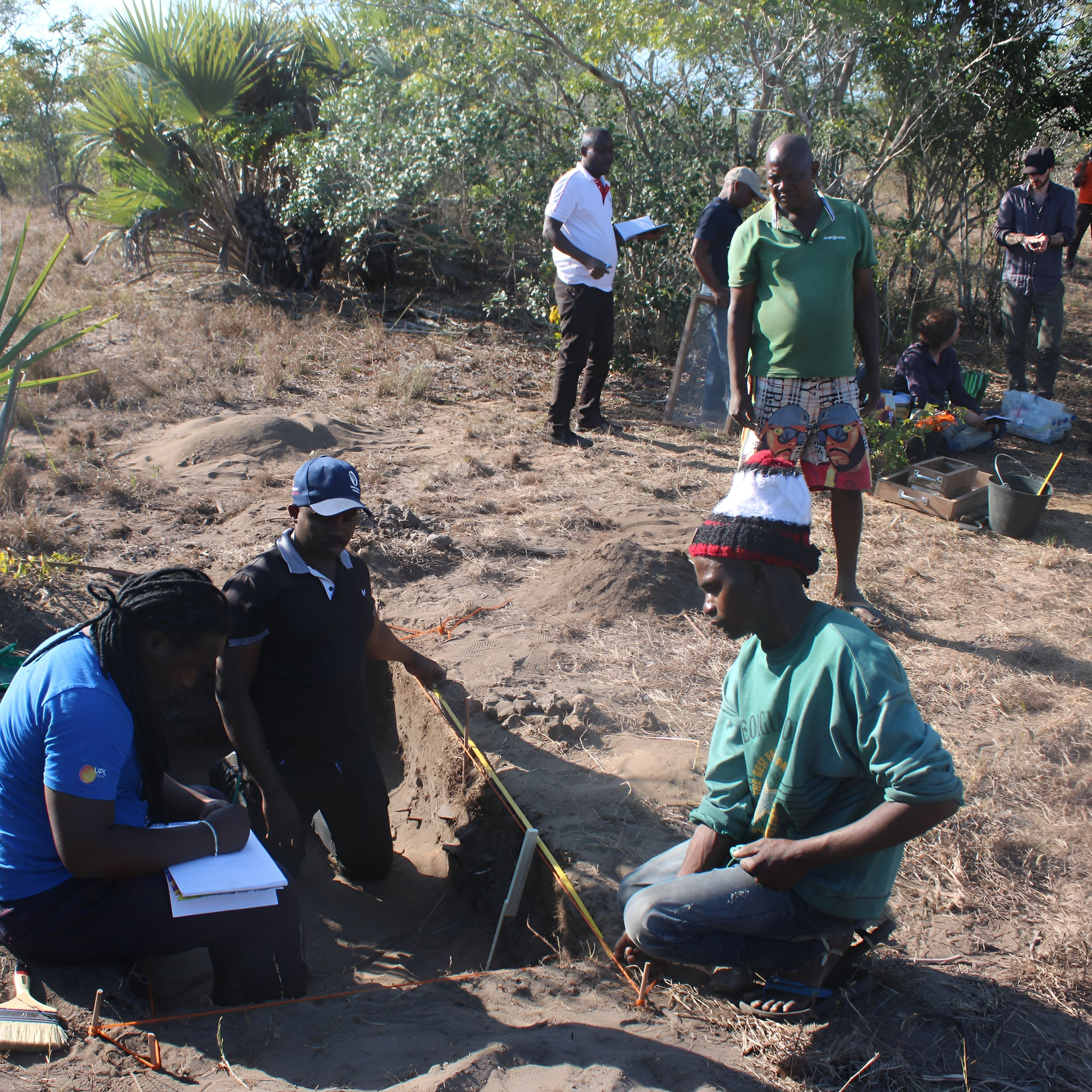
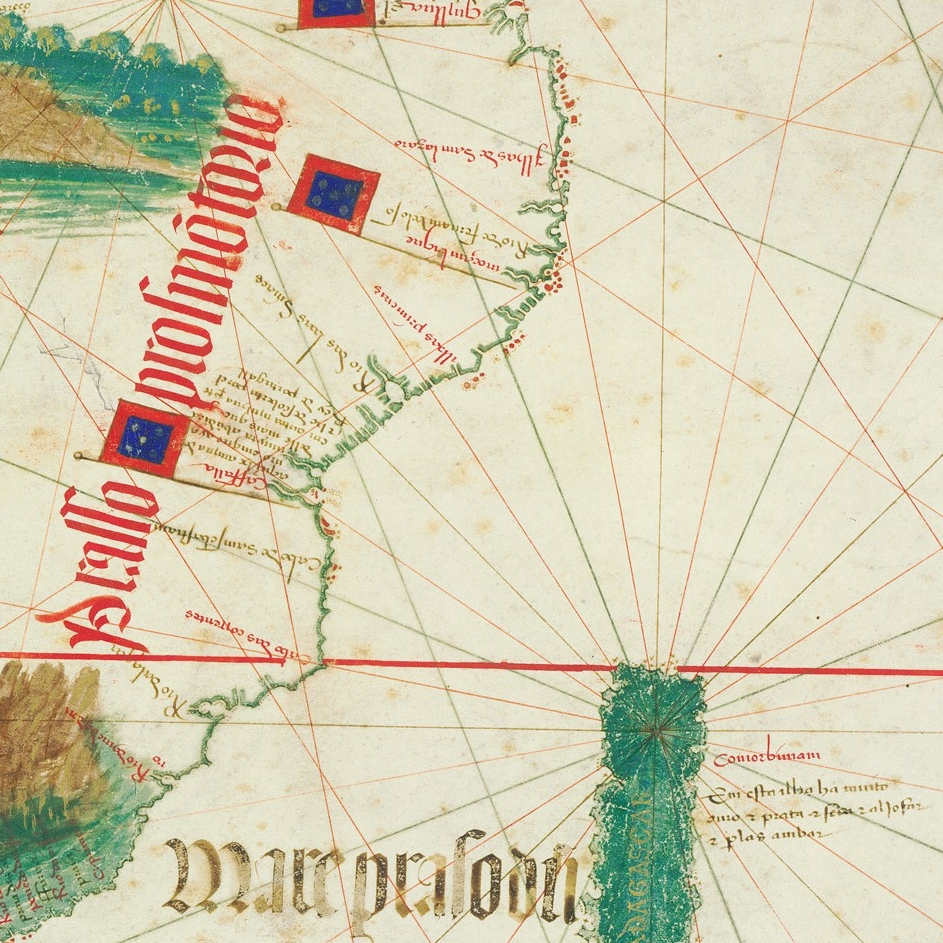
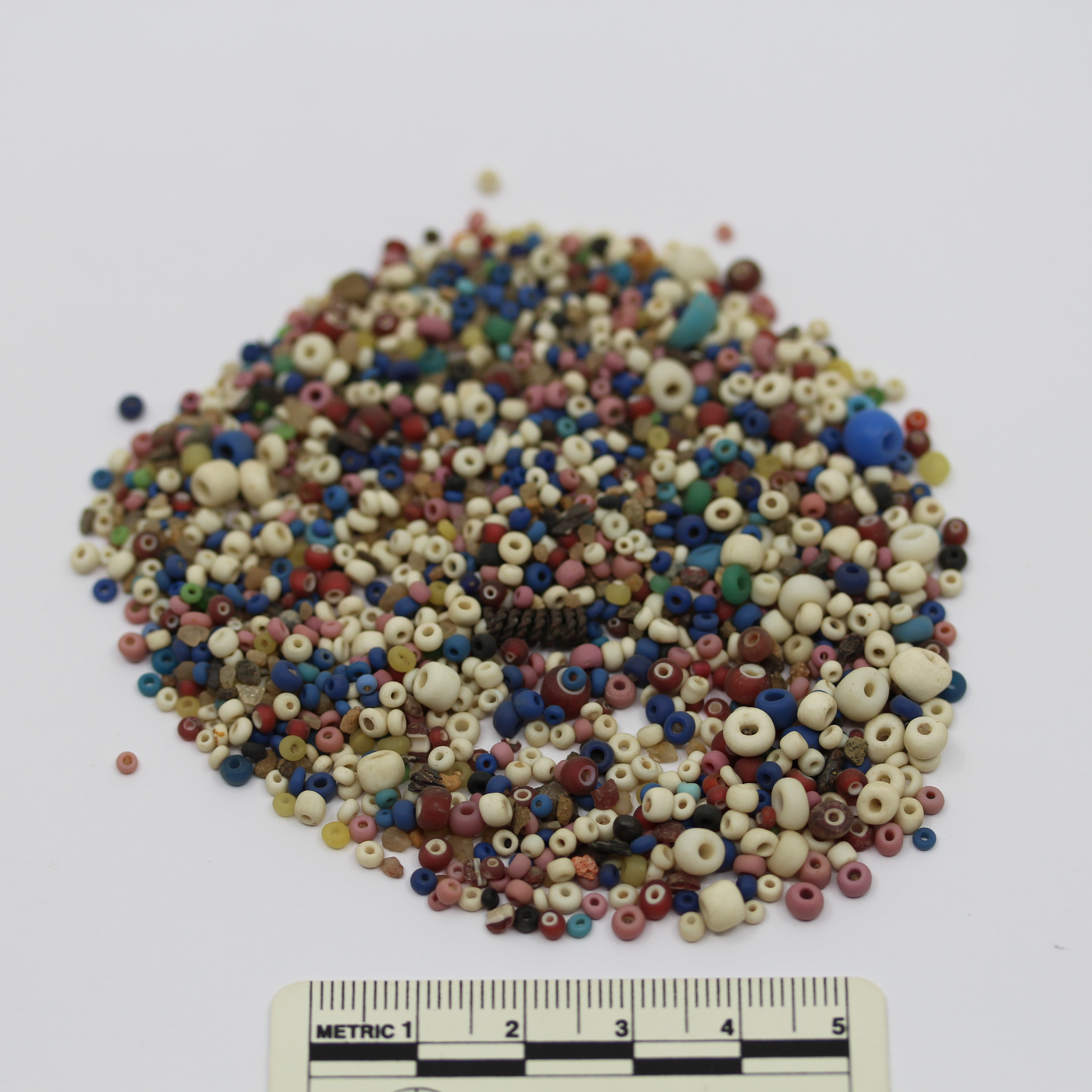
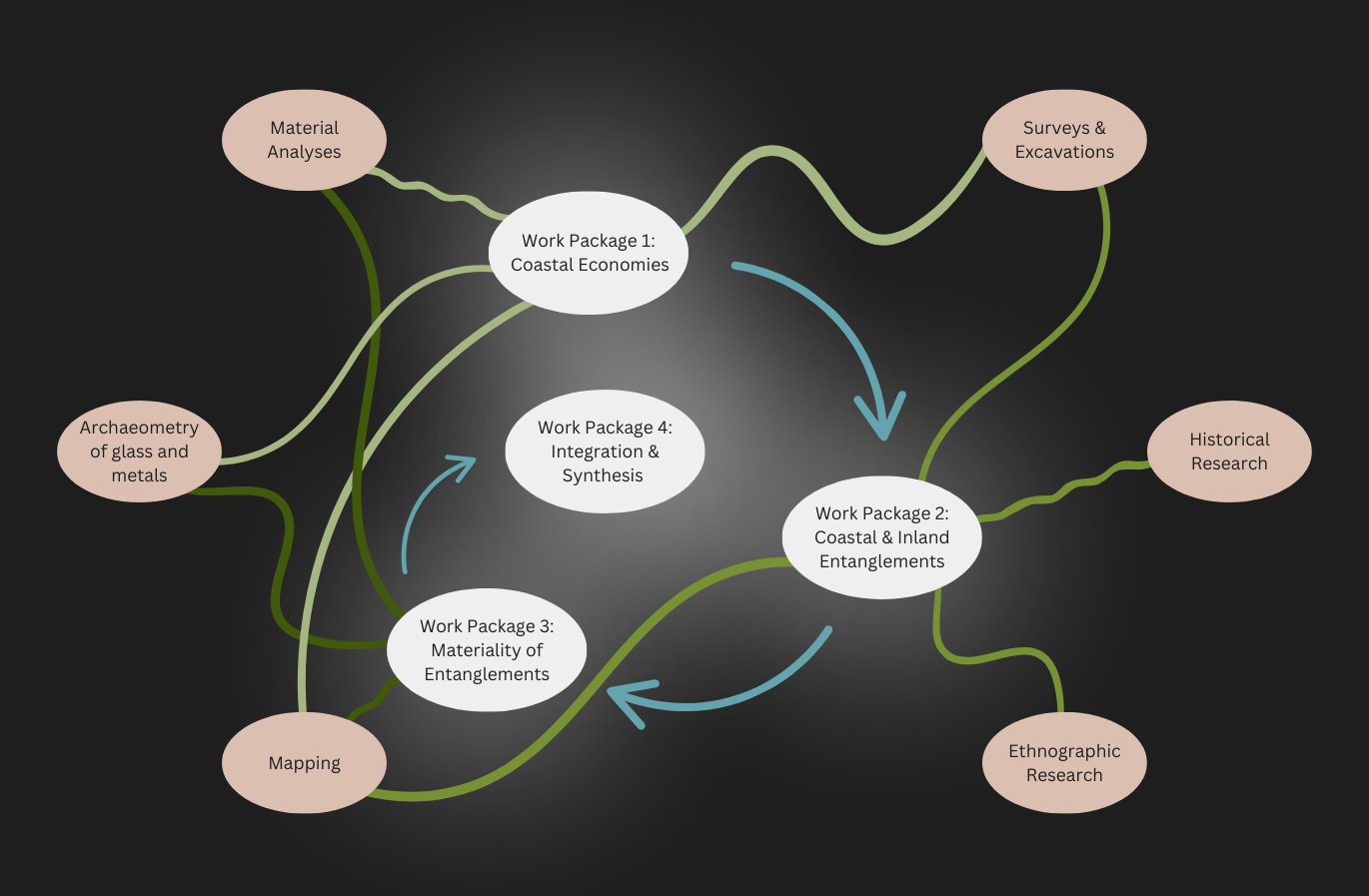
ENTANGLED is developing a multiscalar, multimodal approach that brings together distinct lines of enquiry to study the nature and impact of global connections in past societies. Shaped by a critical and robust theoretical framework of entanglement, ENTANGLED approaches the study of global interactions using an interdisciplinary methodology, combining cutting-edge archaeological materials-based analyses of objects traded and consumed by communities across the Indian Ocean with historical and ethnographic research aimed at uncovering ontologies of exchange.
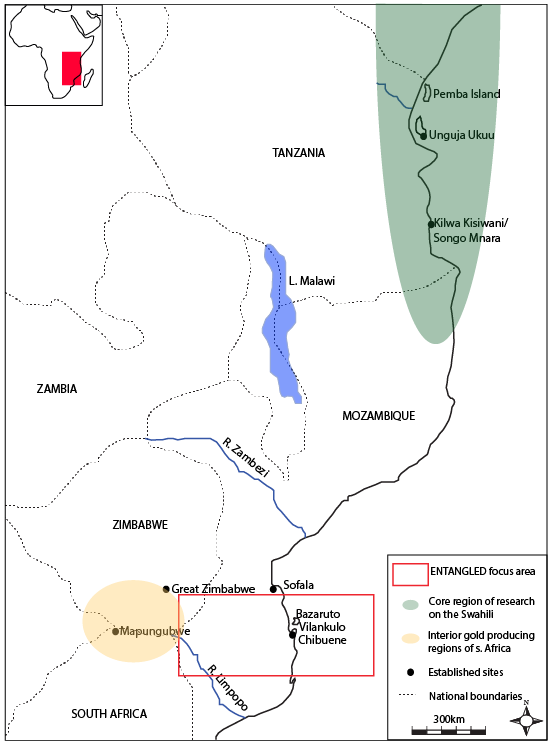
The geographical and temporal focus of ENTANGLED is the coastal regions of southern Africa, the southernmost westerly point of the extensive Indian Ocean world in the Global Middle Ages (500-1500 CE). Despite early evidence of contact between communities on the southern African coastline and the wider Indian Ocean maritime network from 600 CE, the relationship between coastal communities and the networks that linked them to the gold producing regions of the interior and the maritime routes of the Indian Ocean region remain poorly understood. Addressing the development of maritime economies in southern Mozambique, the nature and directionality of trade routes that linked interior and coastal communities, and the value of traded items across diverse paths of exchange and consumption, ENTANGLED aims to assess the agency of coastal communities in shaping global connections and contribute towards repositioning southern Africa in global history.
ENTANGLED is a 5-year (2024-2029) project led by Dr Abigail Moffett and funded by the UKRI as a Frontier Research Grant (ERC awarded Starting Grant funded by the UKRI). The team comprises core project members and collaborators based at the University of Cambridge, who will work closely with collaborating historians and archaeologists based at the University of Eduardo Mondlane in Mozambique and at a range of other international institutions.
Further Reading:
LaViolette, A.J. ed., 2018. The Swahili World . London: Routledge.
 Entangled Project