We are just back and still buzzing from our first Entangled field season! We went as a team of eight, including Abigail Moffett and Scott Dunleavy from the University of Cambridge, and Solange Macamo, Ceslo Simbine, Pedro Moiane, Cláudio Mandlate, Hamido Atuia and Berta Macamo from the University of Eduardo Mondlane. It was an adventurous trip that took us along bumpy boat rides from the islands of the Bazaruto archipelago to winding sandy roads in the inland regions of Vilankulo in southern Mozambique.
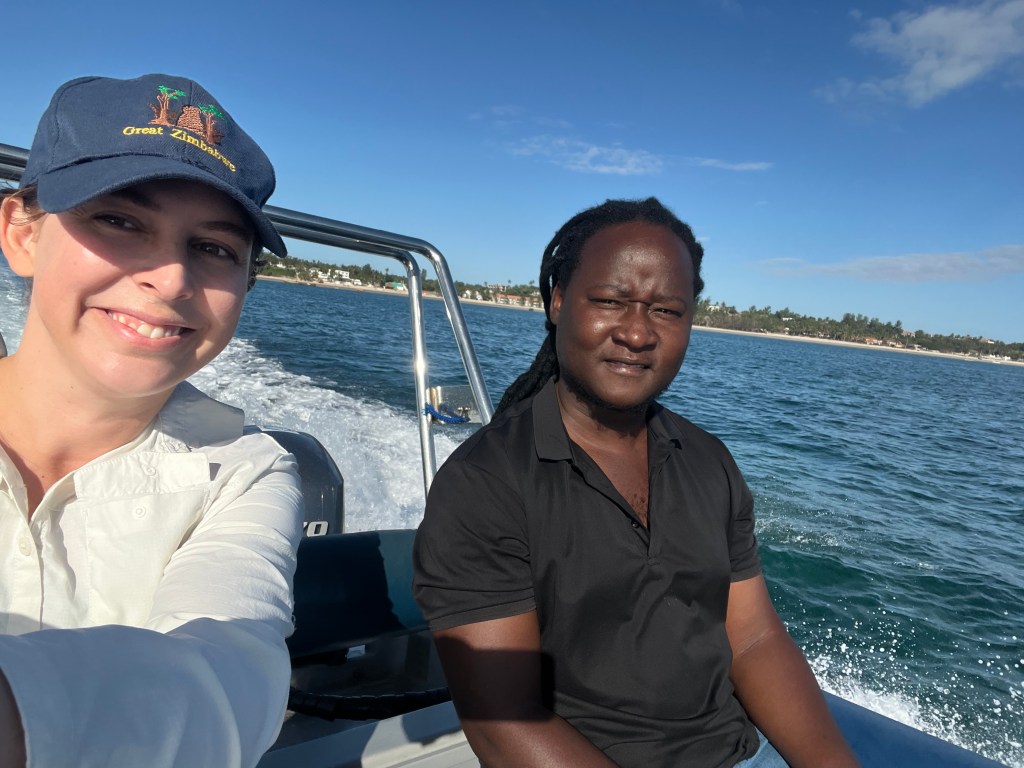
The aim of our fieldwork season was to survey this coastal region to identity settlement occupations and document histories of trade. The area is most famous for the well-known archaeological site of Chibuene, a shell midden and settlement located 5km south of Vilankulo. The site, excavated by Paul Sinclair and Anneli Ekblom, has yielded large volumes of glass beads, glass fragments and imported ceramics from the wider Indian Ocean rim, particularly from the early occupation period (600-900 CE). Despite the importance of the site as a very early trading port on the East African coast, many questions about the links between southern Africa and the wider Indian Ocean world remain.
One of the central aims of Entangled is to understand a bit more about the identity and economies of coastal communities like those at Chibuene, and critically, how they were connected to inland regions. This year we focused on surveying for new sites, as well as revisiting known sites to explore the potential for further research. Our research also consisted of archival research and oral interviews to document histories of trade. One key area of interest is the Bazaruto archipelago. Early Portuguese accounts from the 16th century mention the Bazaruto islands as part of a number of coastal towns occupied by trading communities who were likened to the Swahili of East Africa. Previous surveys by João Morais on the island of Bazaruto identified some promising archaeological sites at Ponta Dundo, but no further research has been undertaken on the island or adjacent islands, until now.
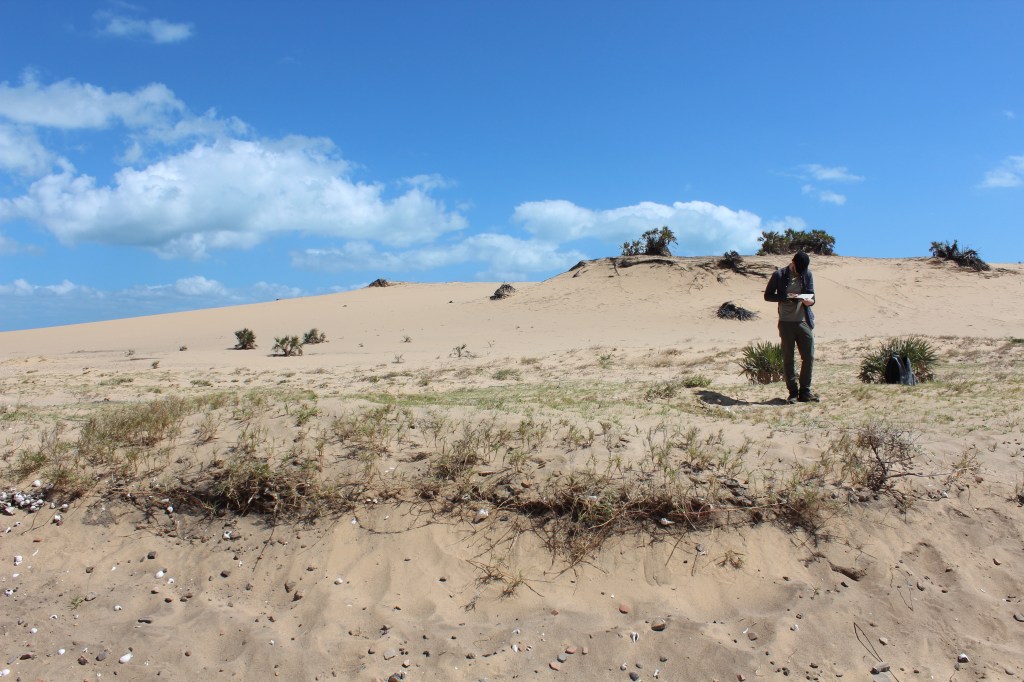
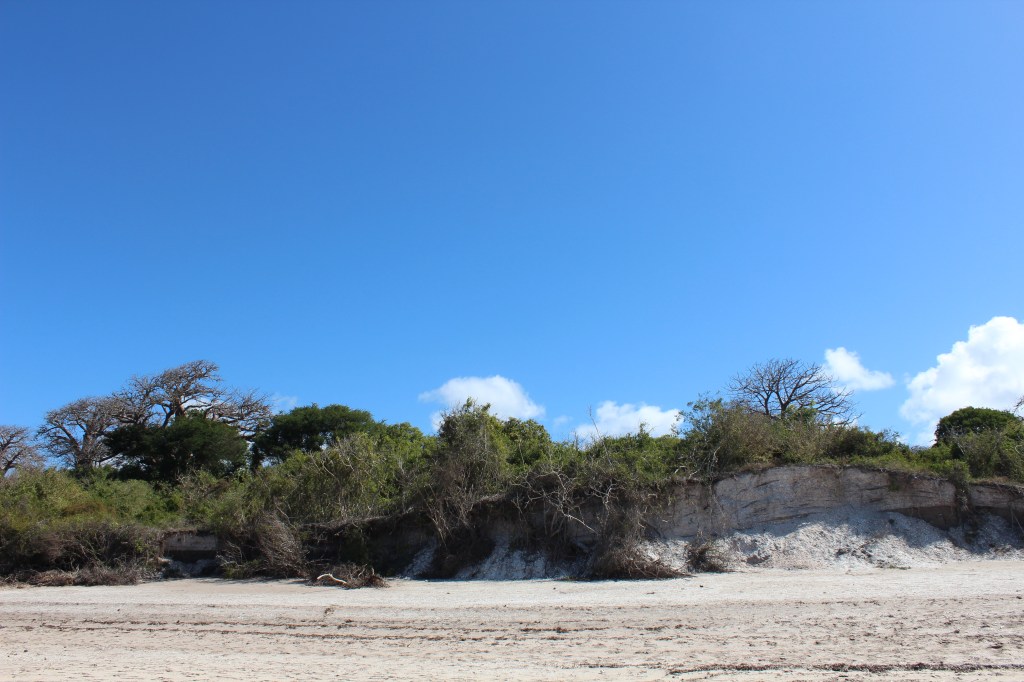
Travelling via different means (from speedboat to dhow), we visited various regions of Bazaruto, Benguerra and Magaruque. We documented artifact scatters and middens in numerous areas, with ceramics from different occupations suggesting dates ranging from the mid first millennium throughout the second millennium. Despite the idyllic destination, surveying also involved some challenges, such as walking long distances in sandy soils, and making sure not to venture too close to the freshwater lakes (which are home to a sizable population of crocodiles)! Nevertheless, the surveys were very fruitful. Exciting finds included metal harpoons, slag and iron blooms, fragments of amber and much more. Based on these surveys, we identified certain areas to target for excavation next year, and are excited to study the multi-layered histories of the islands further.
Another goal of the season was to explore histories and memories of trade in various regions through interviews. We spoke to different individuals and communities, documenting both the ongoing trade in fish and other maritime goods between mainland and coast and also memories of early activities such as pearling. Stories of the past often brought up the recent conflicts in Mozambican history, recounting the displacement of people to the islands in the Civil War (1977 to 1992) or conflict with the Portuguese during independence (1964-1975).
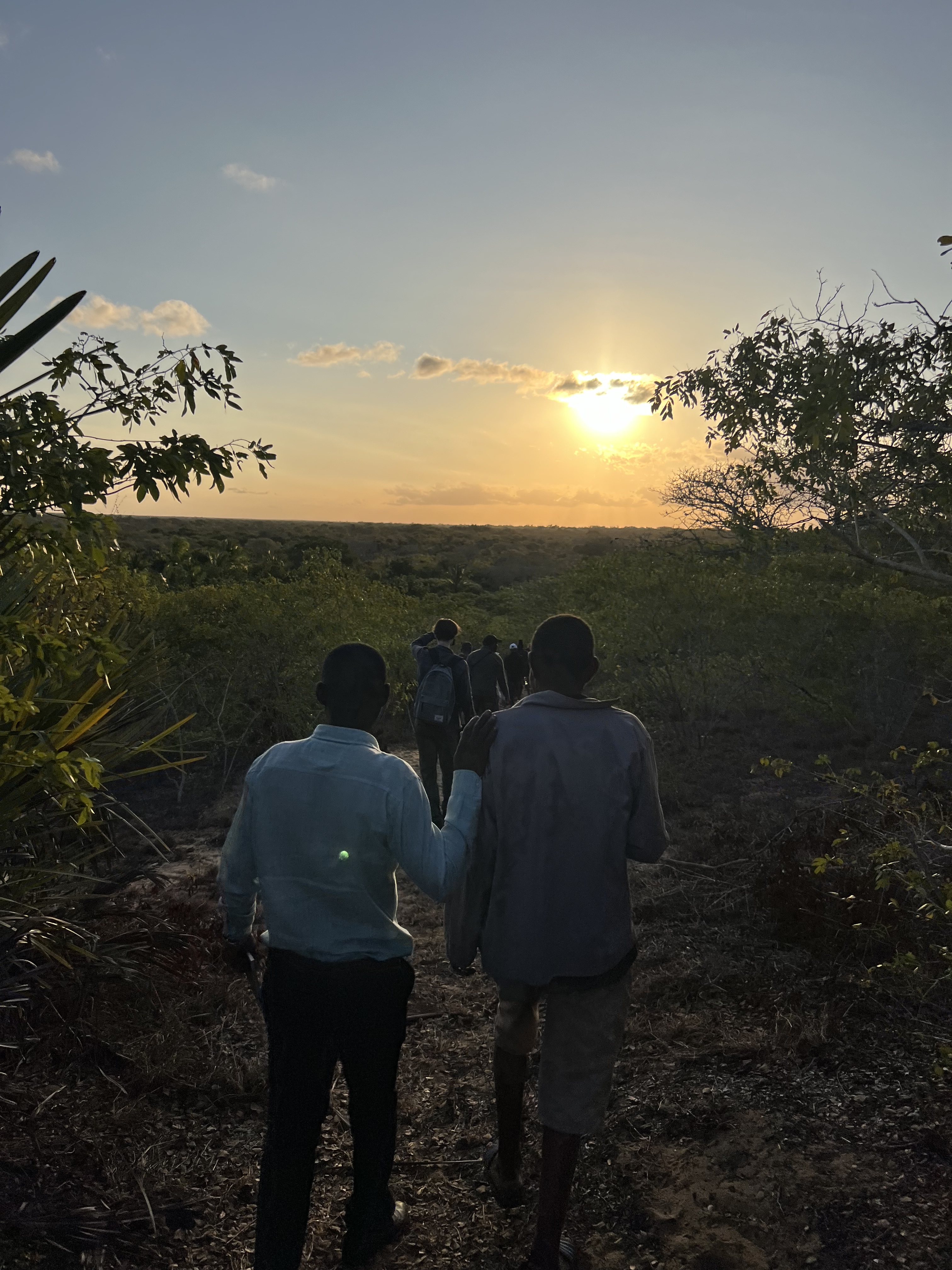
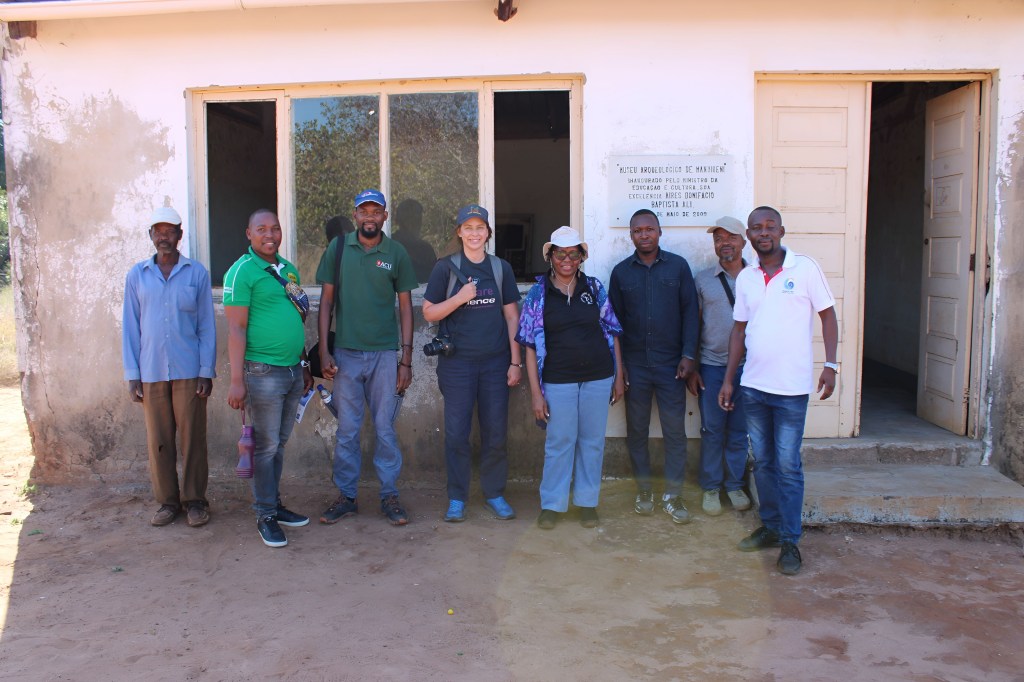
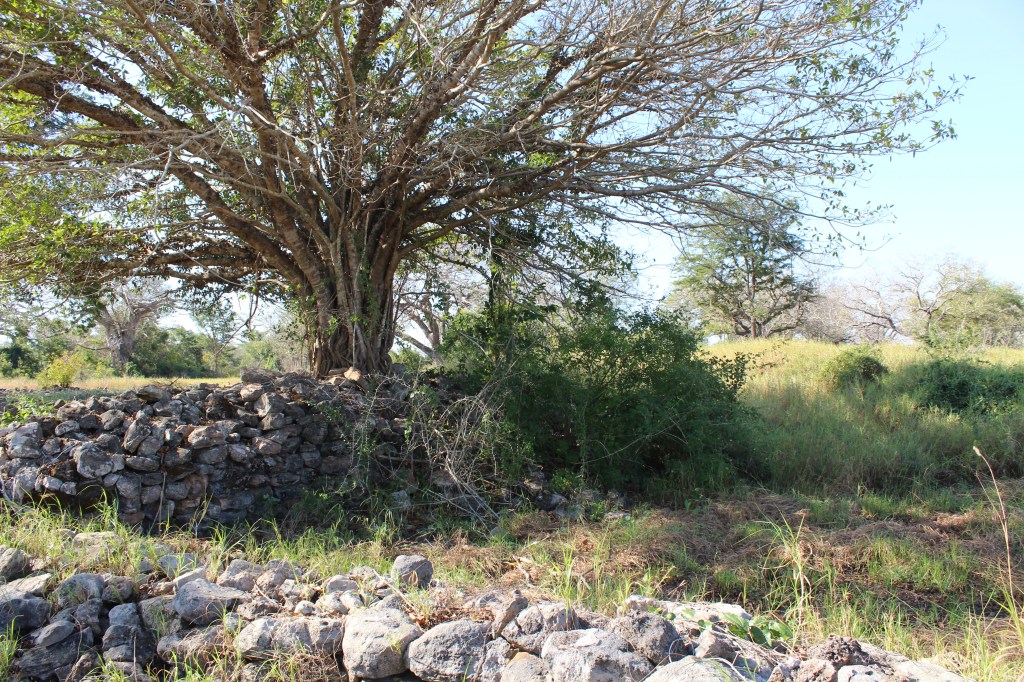
On the mainland we revisited a number of key sites, such as Manyikeni and Chibuene, to explore their potential for further research. We documented the extent of the sites, surveying for surface finds and recording and advising on current site preservation issues with the various individuals that manage and protect them. In addition, we relocated the site of Ngomene, a ‘Zimbabwe tradition’ site first visited by archaeologists from the University of Eduardo Mondlane in 2016. The ‘Zimbabwe culture’, most famed for the type site of Great Zimbabwe, is generally associated with dry-stone walled sites that occur in the southern African region from the early second millennium onwards. Indeed, the name ‘Ngomene’ reflects this; in Xitswa it means ‘house of stone’. Though varying in style and function, these sites are conventionally associated with settlements of political elites, or leaders, although more research on their variation is needed.
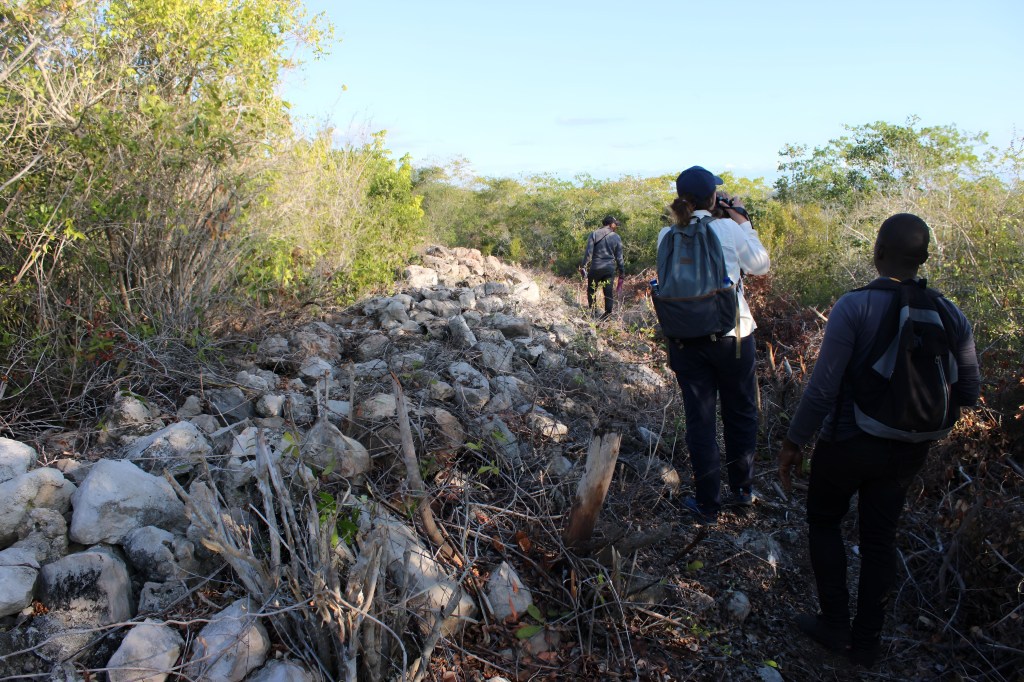
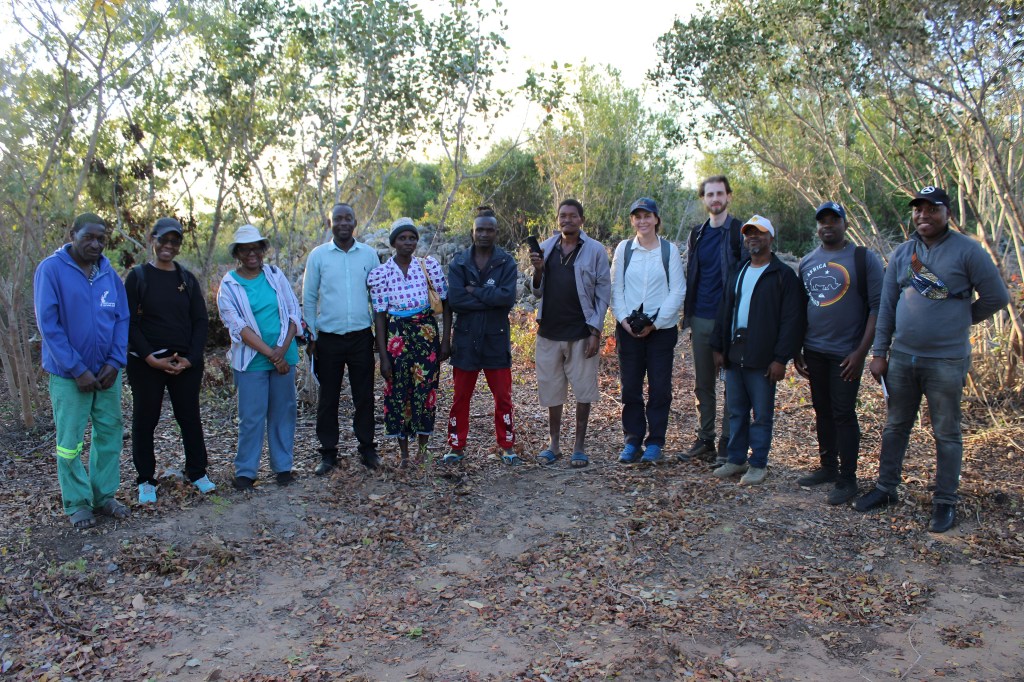
Located just 30km from the coastline, Ngomene is the most coastal ‘Zimbabwe’ stone walled site currently known in the southern African region. Built onto of a low, flat hill, one can see for some distance across the thickly forested areas that spread out towards the ocean to the east of Ngomene. At Ngomene we engaged in consultations with the local community and had the unique opportunity to participate in a ceremony requesting the ancestors for permission to access the site. On site, we surveyed the extent of the stone walls, mapping the outer perimeter wall that forms a large round enclosure, and undertook three test pits within and outside of the stone walled areas. Our plan is to extend these excavations considerably next year to sample different areas of the hilltop and adjacent areas. Hopefully, our work at Ngomene will provide another piece in the puzzle of coastal-inland connections.
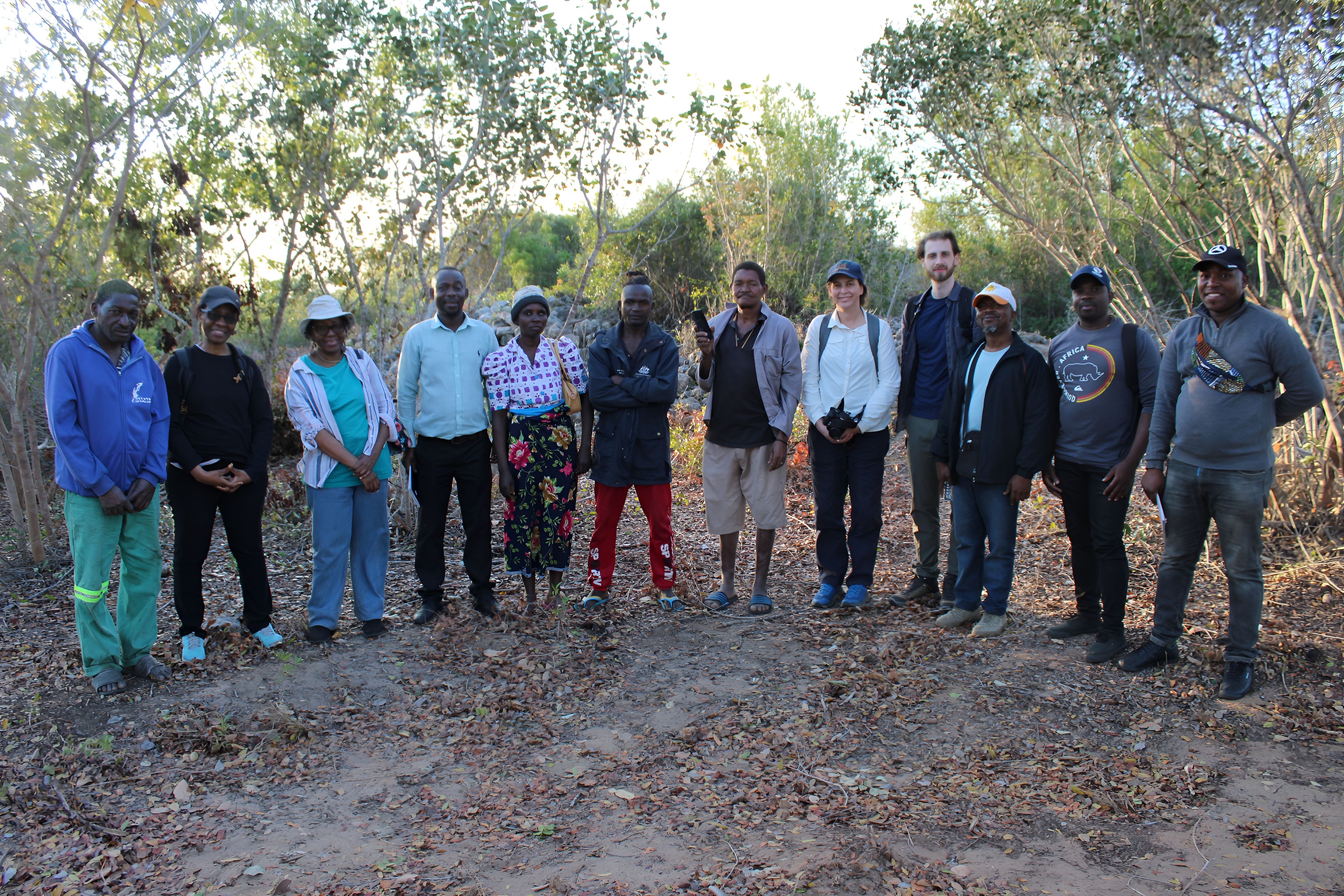
Finally, a key part of our fieldwork this year was engaging with different stakeholders and communities that are connected to heritage sites in the region. This involved meetings with various officials from the local government, heritage managers, site officers and community officials. Luís Chaúque, from the Inhambane provincial government, accompanied us on our trip and fed back the information, with the aim to help enhance the conservation and protection of heritage sites in the region. We are really looking forward to building on these connections and relationships and engaging in further fieldwork in the region. But for now, the sand is almost out of our socks, and we are back at our desks!
Gallery
 Entangled Project